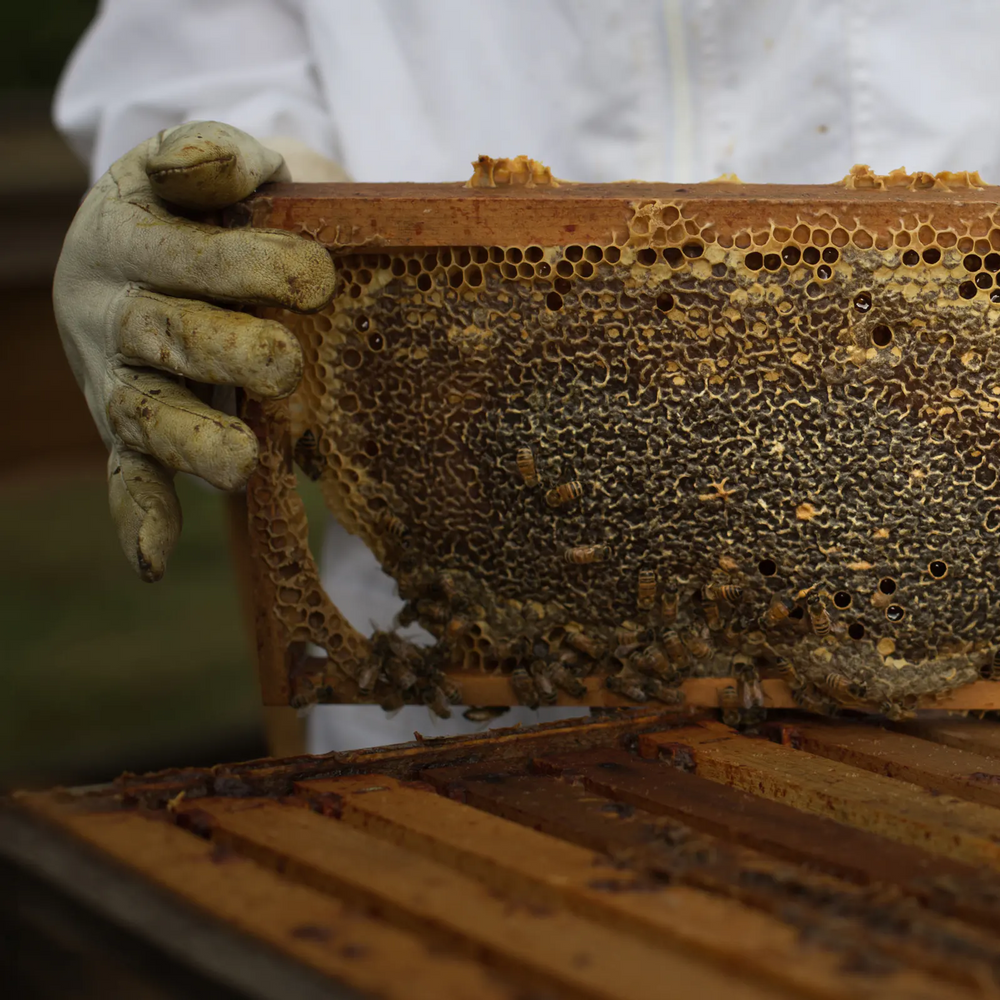

Langstroth Hives

Langstroth Hives are the most widely used hive style in modern beekeeping. The classic Langstroth hive design is built for efficiency, scalability, and higher honey yields. While these modern hives require more lifting and equipment than some other hive types, they offer flexibility, strong colony management, and a practical system used by hobbyists and commercial beekeepers alike.

What is a Langsthroth Hive?

The Langstroth hive is a vertically stacked bee hive system made up of modular hive boxes that hold rectangular Langstroth frames. Bees build comb within these removable frames, often with the support of wax foundation or plastic frames. A typical setup includes a bottom board, one or more brood or honey boxes, and protective covers above.

BeeBuilt Hives

Explore the options below to find the right fit for your space, your goals, and your season.

Top Bar Hives

An approachable, hands-on way to keep bees with no heavy lifting required. Popular with many beekeepers, this one box style offers a closer beekeeping experience centered on natural comb and
observation.

Advantages of Top Bar Hives

  • No heavy lifting, each bar is manageable on its own
  • Combs are easy to remove, inspect, and learn from inside the hive
  • Full-length viewing window for quiet observation
  • A more connected, hands-on beekeeping experience
  • Moderate honey yield, with a focus on learning and stewardship
Learn About Top Bar Hives

Warré Hives

Designed to mirror how bees live in the wild, and support strong, self-sustaining colonies with natural wax comb and healthy honey stores.

Advantages of Warré Hives

  • Minimal intervention, well-suited for hands-off beekeeping
  • Managed by the box, not individual combs
  • Foundationless design for natural comb building
  • Bees tend to stay calmer during inspections
  • Lower honey yield, with more left for the bees to thrive
Learn About Warré Hives

Mason Hives

Supports native pollinators and boost garden yields with no beekeeping required.

Advantages of Mason Hives

  • No hive management, just set up and let them do their work
  • Gentle, solitary bees with little to no risk of stings
  • Incredible pollinators that can significantly boost garden yields
  • Compact and easy to place in any outdoor space
  • No honey production—focused entirely on pollination and ecosystem support
Learn About Mason Hives

FAQs

What is the best hive for beginners?

For many beginners, a Langstroth beehive is the best place to start because its basic components are standardized, easy to find, and widely used in modern beekeeping.

How many beehives should a beginner start with?

Most new beekeepers do well starting with a single hive or two boxes in one setup, depending on colony strength, space in the bee yard, and comfort with inspections.

What are common beekeeping mistakes?

Common mistakes include poor hive entrance setup, overfeeding sugar syrup, ignoring correct spacing, and adding too many boxes before the colony is ready.

Is an 8-frame or 10-frame Langstroth beehive better for beginners?

An 8 frame hive is often easier to lift, while a 10 frame hive offers more room in the deep box, medium box, or shallow boxes used for brood and honey.

What parts does a Langstroth beehive need?

A basic Langstroth setup usually includes a solid bottom board, bottom box, brood chambers, an inner cover, outer cover or top cover, and sometimes an entrance reducer or queen excluder.

Which Hive Is Right For You?

From first-time setups to seasoned beekeeping, our guide helps you choose the right hive style, size, and setup for your goals.